

3 Things That Make Kway Teow A Timeless Singapore Favourite
Kway teow has remained one of Singapore’s most enduring dishes because it blends technique, tradition, and comfort in a way few foods can replicate. Diners turn to it for quick lunches, late-night suppers, or casual weekend meals because the dish feels familiar yet satisfying each time. The flavour of kway teow depends heavily on the skill of the hawker, the balance of ingredients, and the heat of the wok. Although its ingredients may seem simple, the dish captures a depth of flavour that reflects Singapore’s food culture and its focus on craft. Understanding what makes kway teow so beloved helps diners appreciate the effort behind every plate.
1. Distinctive Texture That Defines Every Bite
The first reason kway teow remains a favourite is its unique texture. The wide, flat noodles offer a smooth and slightly chewy bite that sets them apart from other local noodles. This texture allows the noodles to absorb sauces effectively while maintaining structure under high heat. Hawkers work quickly, tossing the noodles through sauces and aromatics to create a cohesive dish that feels rich without being overwhelming. The texture acts as the foundation for the dish’s character, balancing softness with enough resistance to make each bite satisfying.
Another strength of kway teow lies in its ability to accommodate different cooking styles while keeping the same base texture. Some diners prefer dry versions with a smokier profile, while others enjoy wet versions with silky gravy. This adaptability makes kway teow suitable for both bold and subtle flavours. The texture absorbs chilli, soy sauce, garlic, and seafood stock differently depending on the preparation, allowing hawkers to customise dishes while retaining the noodle’s essential bite. The familiarity of the texture encourages diners to revisit their favourite stalls because they know the mouthfeel will be exactly what they enjoy.
2. Wok Hei And The Hawker’s Skill Behind The Dish
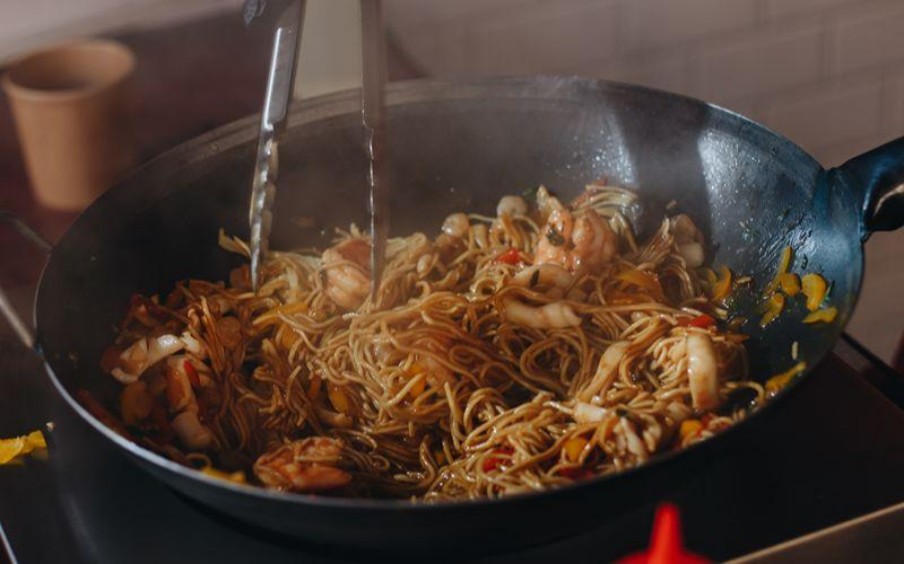
The second reason kway teow stands out is the importance of wok hei, a feature hawkers cultivate through experience, control, and speed. Achieving wok hei requires intense heat that creates a smoky aroma and lightly charred flavour. This effect transforms a basic plate of kway teow into a dish that carries depth and character. Hawkers learn to adjust flame levels, cooking times, and movement within the wok to ensure the noodles do not burn while still capturing the signature aroma.
Wok hei depends on timing as much as temperature. Experienced hawkers know when to introduce sauces, eggs, vegetables, and proteins so the flavours blend without turning soggy. The heat must sear the noodles quickly to preserve their integrity. Diners often return to specific stalls not because the ingredients differ dramatically, but because the hawker consistently creates the perfect balance of char, fragrance, and caramelised flavour.
3. Variations That Keep The Dish Exciting For All Ages
The third reason kway teow remains popular is the wide range of variations that keep the dish relevant to different palates. Char kway teow offers a bold, savoury flavour with dark soy sauce, wok hei, and rich ingredients like cockles or Chinese sausage. Penang-style kway teow highlights lighter seasoning and fresh seafood. Cantonese-style wet kway teow appeals to those who enjoy softer textures with a smooth gravy. Each variation reflects different regional influences while staying recognisable to local diners.
These variations make kway teow suitable for many dining situations. Families often order it during weekend meals because it caters to both children and adults. Friends enjoy sharing it alongside other hawker dishes during casual gatherings. Office workers appreciate how easily it fits into a quick lunch while still feeling substantial. The dish adapts to busy days and leisurely evenings, which strengthens its presence across generations.
Conclusion
Kway teow continues to hold a special place in Singapore’s food landscape because it blends distinctive texture, expert cooking technique, and adaptable variations. The dish provides comfort, value, and flavour in a way that resonates with diners of all ages. Whether someone prefers a smoky plate of char kway teow or a lighter regional version, the dish offers consistency and satisfaction every time. Its versatility and craftsmanship ensure it remains a timeless favourite.
Visit Taste of SG to learn more about Singaporean classics and where to get the best kway teow.