

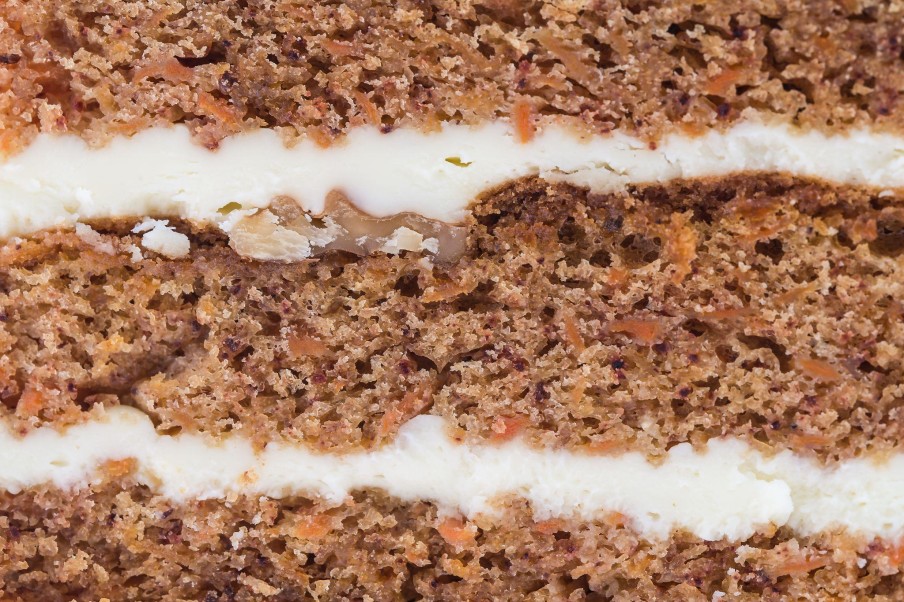
The Real Difference Between ‘Affordable’ and ‘Cheap’ Cakes—Explained
Key Takeaways
- “Affordable” cakes focus on value—balanced pricing, decent ingredients, and reliable quality.
- “Cheap” cakes often prioritise low cost at the expense of taste, texture, or consistency.
- Cake shops position pricing based on ingredients, labour, and production scale—not just branding.
- Affordable cakes can still meet expectations for events without overspending.
- Understanding what drives cost helps buyers make practical, informed decisions.
Introduction
The terms “affordable” and “cheap” are often used interchangeably when buying cakes, but they represent different value propositions. That said, for buyers navigating multiple cake shops, the distinction matters. Affordable cakes in Singapore are typically designed to balance cost, quality, and consistency, while cheap cakes tend to minimise cost first, sometimes at the expense of overall experience. Learning this difference helps buyers avoid disappointment and align their purchase with the occasion.
What “Affordable” Really Means in Cake Pricing
Affordable cakes are priced with consideration for both production cost and customer expectations. This approach includes using acceptable-grade ingredients, maintaining stable flavour profiles, and ensuring visual presentation meets basic celebration standards. Cake shops offering affordable options usually optimise processes—such as batch baking, simplified designs, or standardised sizes—to control costs without cutting essential quality factors.
In practical terms, affordability is about value. The cake tastes as expected, holds its structure, and looks appropriate for the occasion. That said, for events like office birthdays or casual gatherings, affordable cakes meet the requirement without unnecessary upgrades. Buyers are not paying for premium branding or complex customisation, but they still receive a product that performs reliably.
What “Cheap” Often Compromises
On the other hand, cheap cakes are typically priced by reducing input costs aggressively. This approach may involve lower-grade ingredients, pre-mixed bases, excessive sweetness to mask flavour gaps, or minimal finishing effort. While not all low-cost cakes are problematic, the risk of inconsistency increases at this price level.
From an industry perspective, cake shops rarely sustain extremely low prices without trade-offs. These trade-offs can appear in texture (overly dense or dry), flavour (artificial or one-dimensional), or appearance (uneven frosting, limited design effort). Cheap cakes may still serve a basic function, but they often lack the reliability expected for events where presentation and taste matter.
Ingredient Quality and Production Standards
One of the clearest differences lies in ingredient selection and preparation methods. Affordable cakes generally use standard commercial ingredients with controlled recipes. This approach ensures repeatability, which is critical for cake shops managing volume orders. There is a balance between cost efficiency and maintaining acceptable taste.
However, cheap cakes may rely heavily on substitutes, shortcuts, or inconsistent sourcing. This approach affects not only flavour but also shelf life and structural integrity. For example, lower-quality cream or fillings may not hold well in humid conditions, which is a practical concern in the city-state. Over time, these small compromises become noticeable to buyers, especially when compared side by side.
Design, Customisation, and Presentation
Another difference is how much attention is given to design and finishing. Affordable cakes typically come in standardised designs that are clean and presentable. Cake shops streamline decoration processes to keep labour costs manageable while still delivering a visually acceptable product.
Cheap cakes often minimise decoration further, sometimes resulting in plain or uneven finishes. Customisation options may be limited or absent altogether. This distinction is relevant, especially for buyers who require a cake that looks appropriate for photos or formal settings. Affordable cakes usually strike a balance—simple but presentable—while cheap cakes prioritise speed and cost reduction.
When Each Option Makes Sense
The decision between affordable and cheap depends on context. Cheap cakes may be sufficient for low-stakes situations, such as informal gatherings where presentation is not a concern. However, for occasions where the cake plays a visible role—corporate events, celebrations, or shared settings—affordable cakes offer a safer middle ground.
Cake shops cater to both segments, but buyers should assess expectations clearly. Once consistency, appearance, and acceptable taste are required, affordability is the more practical benchmark. However, if cost is the only priority, then “cheap” becomes the defining factor, with corresponding trade-offs.
Conclusion
The difference between “affordable” and “cheap” cakes is not just about price—it is about value, consistency, and reliability. Affordable cakes in Singapore are positioned to meet everyday expectations without excess, while cheap cakes focus primarily on minimising cost. Remember, for most buyers, especially when purchasing from established cake shops, understanding this distinction leads to better decisions and fewer compromises on important occasions.
Visit Fieldnotes to browse a curated range of affordable cakes that are built for real occasions, not just low price tags.